Autumn's Blooming Star

Mukesh Kumar
| 22-10-2026
 · Plant Team
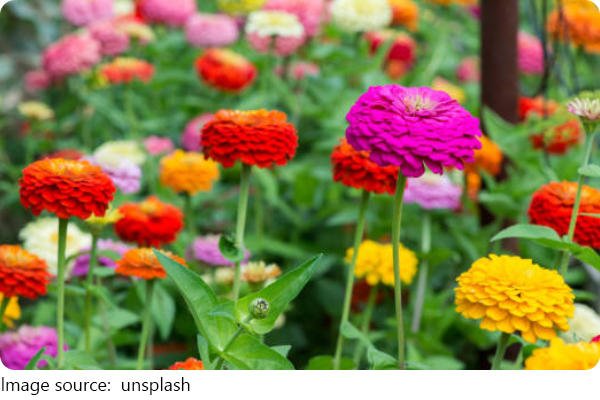
Chrysanthemums bring a welcome burst of color to gardens when summer flowers begin to fade. Commonly known as mums, these popular blooms come in a variety of shades, including yellow, orange, pink, purple, red, and white.
Their rich colors and different flower shapes make them a favorite choice for decorating patios, balconies, and garden beds during the cooler months.
Why Chrysanthemums Are Popular in Autumn
Chrysanthemums are closely associated with autumn because many varieties naturally bloom as daylight hours become shorter. Their flowering season often coincides with cooler weather, providing color when many other garden plants have finished flowering.
Their wide color selection makes them easy to incorporate into seasonal arrangements. Golden yellow and orange blooms create a warm appearance, while deep purple and burgundy add contrast. White and pale pink chrysanthemums provide a softer look that pairs beautifully with green foliage.
These flowers also work well in different settings. A few pots beside a doorway can brighten an entrance, while larger groups can create an attractive display in a garden bed. Their compact varieties are particularly useful for small outdoor spaces where planting room is limited.
Exploring Different Chrysanthemum Varieties
One of the most appealing features of chrysanthemums is their variety of flower shapes. Some produce large, rounded blooms with layers of overlapping petals, while others have narrow petals that curve outward or form delicate, spider-like shapes. Button chrysanthemums, meanwhile, feature small, compact flowers that create a neat and cheerful appearance.
Choosing different forms can make a garden display more interesting. Plants with larger blooms can serve as focal points, while smaller varieties fill gaps and provide visual balance. Gardeners can also combine several colors or choose a single shade for a more coordinated arrangement.
Plant size is another important consideration. Compact chrysanthemums are suitable for containers, window boxes, and smaller gardens. Taller varieties generally need more space to grow and look their best.
How to Select Healthy Plants
When buying chrysanthemums, start by examining the leaves, stems, and flower buds. Healthy plants typically have firm stems, green foliage, and numerous developing buds. Avoid plants with extensive yellowing leaves, wilted stems, or obvious signs of pests.
The condition of the growing medium matters as well. Soil should feel slightly moist without being excessively wet. Waterlogged soil can damage roots and make it harder for a plant to establish itself. Consider the flowering stage before making a purchase. Plants with plenty of unopened buds may continue producing fresh flowers as the buds develop. Fully blooming chrysanthemums are ideal when immediate color is the main priority.
Easy Ways to Care for Chrysanthemums
Chrysanthemums generally grow best in locations that receive plenty of sunlight. Most varieties benefit from around six hours of direct sunlight daily, although specific requirements can differ. Adequate light supports healthy growth and encourages flowering.
Watering should be consistent, especially for plants growing in pots. Containers often dry out faster than garden beds, so check the soil regularly and water when the surface begins to dry. Apply water around the base of the plant and make sure excess moisture can drain away.

Chrysanthemums offer an easy and attractive way to bring seasonal color into outdoor spaces. With enough sunlight, regular watering, and well-draining soil, these flowers can maintain a beautiful display throughout their blooming season. Selecting hardy varieties can also provide the possibility of enjoying their cheerful blooms again in future years, making chrysanthemums a worthwhile addition to an autumn garden.