Secrets of the Snow Leopard
Finnegan Flynn
| 28-01-2026
 · Animal Team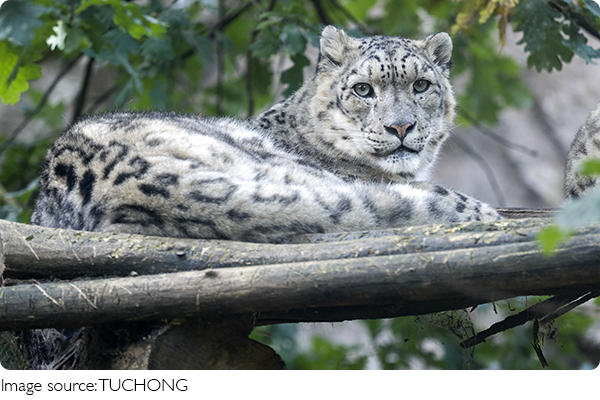
Few creatures capture the imagination like the snow leopard.
Silent, powerful, and almost ghostlike, it prowls remote mountain ranges with a grace that seems otherworldly. Spotting one in the wild is rare, and understanding its behavior is even rarer.
Observing these elusive cats teaches us about adaptation, survival, and the delicate balance of nature.
Habitat and Range
Snow leopards are masters of rugged terrain, thriving where few animals can.
1. They favor steep cliffs, rocky outcrops, and alpine meadows, often at altitudes ranging from 3,000 to 5,500 meters. This terrain provides cover and hunting opportunities.
2. Seasonal movement is key. In winter, they descend to lower elevations where prey is more accessible, while summer brings them higher to follow mountain goats or sheep.
3. Their range spans vast, isolated landscapes, which means they must travel large distances for food and mating opportunities.
Actionable example: When studying snow leopards in the wild, researchers use motion-sensitive cameras along ridgelines and passes, as these cats often follow predictable routes between feeding areas.
Physical Adaptations
Every aspect of a snow leopard's body supports survival in harsh environments.
1. Thick fur insulates against freezing temperatures, while the long tail can wrap around the body for additional warmth.
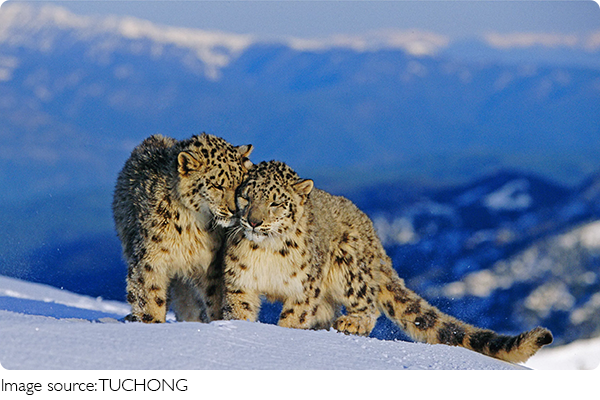
2. Wide, fur-covered paws act like natural snowshoes, allowing them to walk on snow without sinking.
3. Powerful hind legs enable leaps of up to 15 meters, critical for ambushing prey on uneven terrain.
Actionable example: Observing captive snow leopards shows how tail positioning and paw placement are constantly adjusted for balance, offering insight into their hunting efficiency.
Diet and Hunting Techniques
Snow leopards are opportunistic predators, relying on stealth and patience.
1. Their primary prey includes wild sheep, goats, and smaller mammals like marmots, depending on availability.
2. They use ambush techniques, silently stalking and leaping onto prey from elevated positions. The terrain allows them to use gravity to their advantage.
3. Energy conservation is vital; hunting can be sporadic, with days of rest between high-intensity pursuits.
Actionable example: Conservation programs often track prey populations to predict snow leopard movements, ensuring protected areas align with natural hunting ranges.
Behavior and Social Structure
Unlike lions or wolves, snow leopards are mostly solitary.
1. They maintain vast territories marked with scent and scrapes to communicate presence to others.
2. Interaction is limited to mating or mothers with cubs, highlighting a low social dependency but strong maternal care.
3. Night activity predominates, as cooler temperatures make hunting more efficient and reduces human encounters.
Actionable example: Field biologists use GPS collars to map territorial boundaries and monitor movement patterns, which helps identify crucial habitats for protection.
Conservation Challenges
Despite their remote habitats, snow leopards face threats from humans and environmental changes.
1. Habitat fragmentation from mining, infrastructure, and livestock grazing reduces their natural range.
2. Prey depletion due to overhunting or competition with livestock forces snow leopards into conflict with humans.
3. Climate change affects alpine ecosystems, altering snow patterns and vegetation, which indirectly impacts prey availability.
Actionable example: Anti-poaching initiatives often combine community engagement and technology, such as camera traps and satellite monitoring, to reduce human-wildlife conflict.
The snow leopard is a symbol of resilience and adaptability. Every sighting reminds us of the delicate balance of ecosystems and the unseen struggles of wildlife in extreme environments. By understanding their behavior, habitat, and threats, we gain insight not only into this elusive predator but into the broader principles of survival in the natural world. Observing, protecting, and learning from snow leopards inspires a deeper respect for the quiet strength that thrives where few dare to tread.