Fire Earth Art

Amit Sharma
| 19-12-2025
 · Art Team
From the moment we touch a handmade pottery piece, we often feel a sense of calm and connection.
Pottery may look quiet and humble, yet it carries deep stories shaped by hands, time, and fire. In a world full of fast results and digital products, pottery reminds us to slow down. It connects daily life with nature and shows how simple materials can create lasting beauty.
The First Steps of Pottery
Pottery began when people learned that clay could be shaped and hardened by heat. At the beginning, we focused on solving basic needs. We made containers to hold water, grain, and other essentials. These early pieces were simple and direct. Over time, as experience grew, shapes became more balanced and surfaces more refined. Pottery slowly moved from pure function to thoughtful creation.
Fire: The Moment of Change
Fire plays a key role in pottery. After shaping is finished, heat transforms clay into something strong and lasting. Inside the kiln, this change happens quietly but deeply. Once firing begins, there is no turning back. This process teaches us patience and trust. Fire does not decorate the surface, yet without it, pottery cannot exist. It completes the journey from soft earth to solid form.
Earth: A Material Full of Possibility
Clay comes directly from the ground beneath our feet. Different clays feel different in the hands. Some are smooth, others more textured. When we work with clay, we stay connected to nature. We shape it with care, but we also listen to how it responds. Clay teaches balance and respect. This close relationship makes pottery feel honest and human.
Shape and Purpose Working Together
Every pottery form has a reason. Wide bowls feel open and inviting, while taller vessels suggest storage or display. Good pottery feels comfortable to hold and stable to use. Shape is not only about appearance. It is about how an object fits into daily life. Pottery shows us that usefulness and beauty can exist together.
Surface and Color as Silent Language
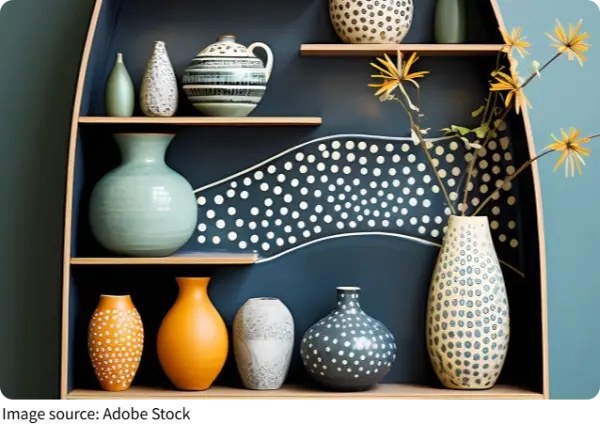
The surface of pottery gives it character. Smooth finishes feel calm and clean. Textured surfaces feel natural and expressive. Glazes add color and depth, sometimes soft, sometimes rich. These choices reflect how we see the world. Even without words, pottery communicates feeling through touch and sight.
Pottery as a Shared Human Art
Across different regions, pottery has always reflected local life and environment. As pottery traveled through exchange and trade, ideas moved with it. Techniques were shared, adapted, and improved. This process allowed different communities to learn from one another while keeping their own styles. Pottery became a shared art that connected people across distance and time.
Pottery in the Modern Age
Today, pottery continues to grow and change. We see artists combining traditional hand methods with modern ideas. Some focus on clean lines and simple forms. Others explore bold shapes and textures. New tools offer more control, yet many creators still value direct handwork. This balance keeps pottery fresh while honoring its roots.
Why Pottery Belongs in Daily Life
Pottery is not limited to galleries. We use ceramic bowls, cups, and plates every day. These objects bring warmth to simple moments like meals and gatherings. Handmade pottery often shows small differences, making each piece unique. These details remind us that care and effort matter more than perfect sameness.
A Conversation That Continues
Pottery: The Art of Fire and Earth is a conversation that has lasted for generations. It brings together nature, skill, and imagination. As long as we value patience and thoughtful creation, pottery will remain part of our lives. Lykkers, the next time we hold a pottery piece, let us feel the earth that formed it and the fire that shaped it. Together, we keep this timeless art alive.
How to Make a Stoneware Pottery Bowl, from Beginning to End — Narrated Version
Video by Florian Gadsby