Spare Time Fitness

Amit Sharma
| 11-12-2025
 · Sport Team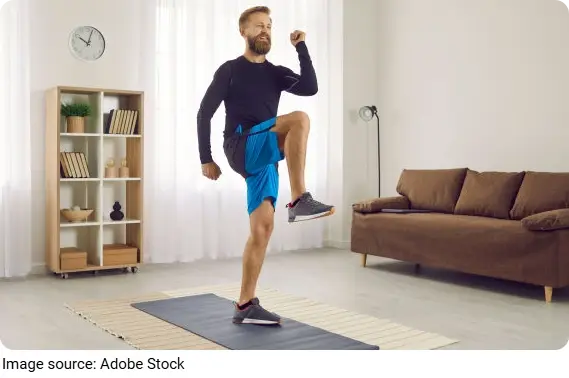
We all have pockets of free time—waiting for a train, finishing work early, or a quiet evening at home. Instead of scrolling endlessly, we can turn these moments into effective workouts.
Even small, consistent efforts improve health, strength, and energy. Let’s explore how we can exercise efficiently during free time and make it a habit that sticks.
Find Exercises That Fit Our Lifestyle
The first step is finding exercises that are realistic and enjoyable. We need activities that suit our schedule, location, and fitness level. Running or walking can be done nearby, requiring almost no preparation. Home workouts like bodyweight exercises, Pilates, or stretching need minimal space and equipment. By choosing exercises that fit our lifestyle, we maximize each session’s benefit without wasting time, making it easier to stick with them over months and years.
For Busy, Unpredictable Schedules
If our work is unpredictable, we need flexible routines. For example, we might enjoy running, swimming, or boxing. Running can be done almost anywhere, so we can fit it in three times a week. Swimming may require visiting a pool once a week. Boxing classes often have set schedules, so we might attend only every other week.
A smart approach is to prioritize exercises that are easy to fit into weekdays, like running or home workouts, and reserve less flexible activities for weekends. This way, we maintain consistency while working different muscle groups, keeping both mind and body active.
Using Online Classes
Online fitness classes are perfect for free time at home. Many courses require just an exercise mat and no equipment. We can pick classes for specific goals, like strengthening abs, legs, arms, or back. When trying a new class, test it first—stop if anything feels uncomfortable. Once we find what works, we stick with it until we’re ready to level up. Starting with beginner-friendly sessions and progressing gradually ensures safety and long-term results.

For Predictable, Regular Schedules
If our schedule is stable, we can plan regular exercise sessions. Group classes, like Pilates, aerobics, or dance, provide motivation and social support. Fixed times and locations make it easier to maintain habits. Activities like Zumba combine music and aerobic movement, making exercise fun while burning calories effectively. Exercising with peers also encourages commitment, making it less likely we skip sessions.
Plan a Detailed Routine
We can create a personal training calendar to make workouts part of our routine. Specify when we wake up, when work ends, and what time to exercise. If something comes up, reschedule rather than skip entirely. Treat each session like an important meeting. With a clear plan, we can track our progress, gradually increase intensity, and stay consistent even during busy weeks.
Exercise in Small Chunks
Even a few minutes count. Take stairs instead of elevators, stretch while waiting, or do short sets of exercises at home or in a hotel. Over time, these small actions add up. Making exercise a habit allows us to train anywhere, anytime, without depending on weather or equipment. This approach ensures we never run out of opportunities to stay active.
Consistency Over Quick Results
Fitness is about regular habits, not instant changes. Results take time, and skipping a session occasionally won’t ruin progress. By keeping consistent—even for short workouts—we build endurance, strength, and energy gradually. Patience and persistence are key to a healthy body. Long-term commitment always beats short bursts of intense effort.
Make Free Time Count
Lykkers, the secret is simple: we can turn spare moments into productive workouts. By choosing exercises that fit our lifestyle, planning ahead, and using small chunks of time creatively, we can improve health and energy every day. Whether we are at home, traveling, or in the office, fitness can become part of our daily life. Let’s start turning free time into fitness wins today!