Colorful Clay Art
Ethan Sullivan
| 11-12-2025
 · Art Team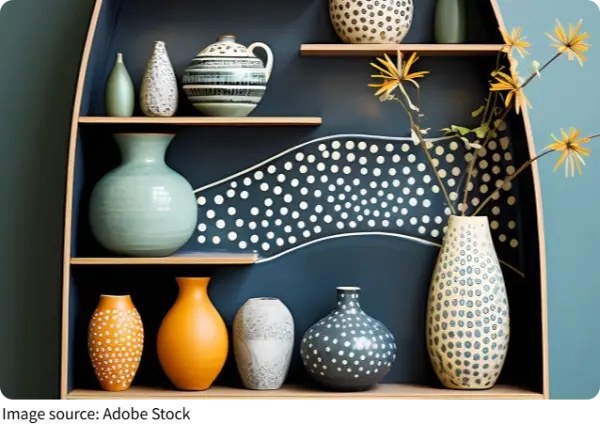
Hey Lykkers! Have you ever admired a beautifully finished ceramic mug, vase, or bowl and wondered how it gets that glossy, colorful look? That magic happens during the glazing process.
Glazing is much more than just a decorative step—it protects pottery, enhances its durability, and allows artists to express creativity through color, texture, and finish. Let’s explore the fascinating world of pottery glazing techniques, how they work, and tips to get the best results.
What is Glazing?
A glaze is essentially a glass-like coating applied to pottery before firing. It seals the porous surface of clay, making it waterproof, food-safe, and visually appealing.
Beyond functionality, glazes give pottery its color, sheen, and sometimes texture. Glazes are made from a combination of silica (for glass formation), fluxes (to lower the melting point), and alumina (for stability). Colorants, often metallic oxides, add hues ranging from vibrant blues and greens to earthy browns and reds.
Types of Glazing Techniques
1. Dipping
This is one of the simplest and most common techniques. The pottery piece is dipped into a bucket of liquid glaze, ensuring even coverage. It’s ideal for creating smooth, consistent finishes on cups, plates, and vases. Dipping is quick and great for beginners, but it requires careful control to avoid drips or thick spots.
2. Brushing
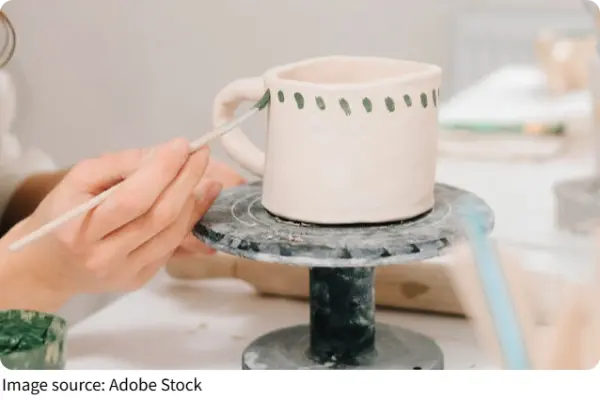
Brushing allows for more detailed and creative control. Artists use brushes to apply layers of glaze, creating patterns, designs, or gradients. This technique is perfect for intricate surfaces or when combining multiple colors. The key is to use soft, even strokes and multiple thin layers to avoid streaks or clumping.
3. Pouring
Pouring involves letting glaze flow over the pottery, often creating natural, organic patterns. This technique is excellent for larger pieces like bowls or pitchers. Artists can combine colors for a marbled or layered effect, making each piece unique.
4. Spraying
Spray glazing uses an airbrush or spray tool to coat pottery evenly. It’s ideal for achieving smooth, gradient, or ombre effects, especially on larger or complex-shaped pieces. Spray glazing requires practice to maintain consistent pressure and coverage.
5. Wax Resist
This technique combines creativity with masking. Artists apply wax on areas they want to remain unglazed before dipping or brushing. When fired, the wax burns away, leaving the original clay exposed in intricate patterns. It’s perfect for decorative motifs and highlights contrast.
Specialty Glazes
Some glazes go beyond basic colors:
Glossy – Shiny and reflective surfaces.
Matte – Soft, non-reflective finish.
Celadon – Translucent glaze that emphasizes texture.
Shino – Earthy tones with subtle variations.
Rutile or Speckled Glazes – Adds visual texture or specks of color.
Tips for Successful Glazing
Test First – Glazes can look different before and after firing. Testing on small samples is crucial.
Clean Surfaces – Remove dust and oil from pottery to avoid defects.
Layer Wisely – Multiple thin layers usually produce better results than a single thick one.
Consider Firing Temperature – Low-fire glazes behave differently than high-fire glazes, affecting color and texture.
Experiment – Combining techniques and colors can lead to unique, one-of-a-kind pieces.
Final Thoughts
Pottery glazing is where functionality meets creativity. Whether you’re a hobbyist or aspiring ceramic artist, understanding glazing techniques opens a world of possibilities for making pottery beautiful and durable. From smooth, glossy mugs to textured, artistic vases, the right glaze can transform a simple clay form into a masterpiece.
So next time you admire a ceramic piece, remember—it’s not just clay; it’s the result of careful technique, creative experimentation, and the magic of glaze.
Glazing Pottery 101
Video By "Pursuits Studio"