Royal Art Legacy

Liam Reilly
| 11-12-2025
 · Art Team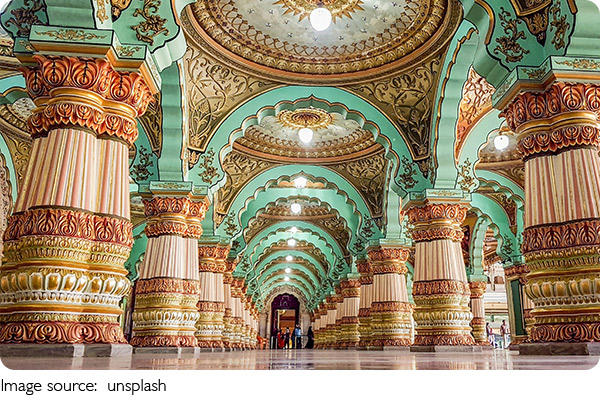
Hey Lykkers! Have you ever wondered why so many magnificent paintings, sculptures, and architectural wonders were commissioned by kings, queens, and emperors?
Art in royal courts has always been more than decoration—it was a powerful tool to express authority, wealth, culture, and ideology. From the grand palaces of Europe to the majestic courts of Asia, royal patronage shaped some of the most enduring masterpieces in history. Let’s dive into how art flourished in royal courts and why it matters even today.
The Role of Patronage
Royal courts were often the most important patrons of art. Monarchs commissioned artists to create paintings, sculptures, tapestries, jewelry, and architecture that reflected their power, lineage, and cultural sophistication.
For instance, the Medici family in Renaissance Florence funded countless artists, including Michelangelo and Leonardo da Vinci, effectively shaping the entire course of Western art. By providing financial support and social prestige, royal courts allowed artists to experiment, innovate, and create works that might have been impossible otherwise.
Art as a Symbol of Power
Art in royal courts wasn’t just for beauty—it was a symbol of authority. Portraits of monarchs, like Louis XIV of France or Emperor Akbar, were designed to convey strength, wisdom, and divine favor. Architectural masterpieces, such as Versailles, showcased the ruler’s control over both space and resources. Even tapestries, furniture, and ceremonial objects communicated messages of prestige and dominance. Art became a language through which monarchs projected their identity to both their subjects and foreign visitors.
Cultural Exchange and Innovation
Royal courts were often centers of cultural exchange. Diplomats, travelers, and artists from different regions brought new ideas, styles, and techniques. For example, Mughal court art combined Persian, and European influences, producing intricate miniature paintings that remain celebrated today.
Similarly, European courts adopted classical Greek and Roman aesthetics during the Renaissance, blending them with local traditions. Royal patronage encouraged cross-cultural innovation, pushing artistic boundaries and creating unique hybrid styles.
Preserving History and Legacy
Beyond prestige and creativity, art in royal courts serves as a historical record. Portraits, ceremonial objects, and architectural projects document fashion, social hierarchy, and daily life of past eras. For historians and art enthusiasts, these works provide invaluable insights into the values, beliefs, and lifestyles of different civilizations. Royal collections often became the foundations for major museums, allowing public access to treasures once reserved for elites.
Challenges and Controversies
While royal patronage fueled artistic achievement, it also came with challenges. Artists were often dependent on rulers’ favor, which could limit creative freedom. Diplomatic changes, conflicts, or personal whims could result in commissions being canceled or destroyed. Moreover, many artworks were used to glorify rulers while ignoring the experiences of common people, offering a one-sided view of history.
Modern Relevance
Today, art in royal courts continues to inspire. Museums, exhibitions, and academic studies explore these masterpieces to understand power dynamics, cultural exchange, and artistic techniques. Contemporary artists also draw inspiration from courtly art to explore themes of authority, identity, and heritage. Understanding the role of art in royal courts gives us a richer appreciation of how art functions not just aesthetically, but socially and governmental.
Final Thoughts
Art in royal courts is a fascinating intersection of creativity and culture. It demonstrates how rulers used artistic expression to communicate power, influence culture, and leave a lasting legacy. From grand architecture to delicate miniatures, these artworks reveal the ambitions, values, and tastes of their patrons. So next time you admire a royal painting or palace, remember—you’re looking at history, prestige, and creativity intertwined.