Jewelry Through Time

Santosh Jha
| 11-12-2025
 · Art Team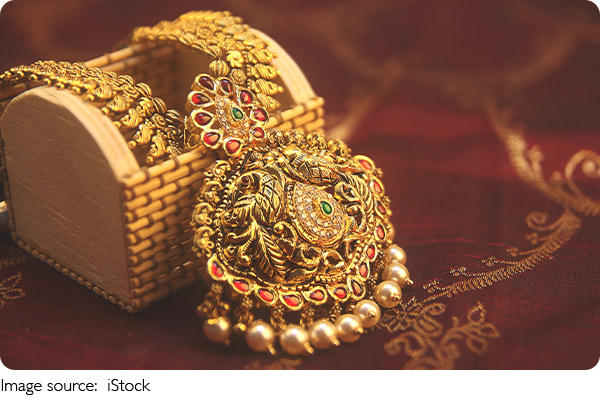
Hey Lykkers! Let’s start with a little question—when you put on a ring, necklace, or bracelet, do you ever think about where the idea of wearing jewelry came from? Is it just about looking stylish, or is there more behind those shimmering pieces? Truth is, jewelry has never been just decoration.
Across the world, it has carried meanings of power, protection, identity, and even spirituality. Today, let’s explore how different cultures shaped jewelry design and the fascinating stories behind it.
Ancient Egypt: More Than Just Gold
If you think jewelry is about showing off wealth, the Egyptians would partly agree—but for them, it was also about divine protection.
Gold collars, lapis lazuli scarabs, and turquoise amulets weren’t just accessories; they were symbols of eternal life and protection in the afterlife. Pharaohs were often buried with dazzling ornaments, ensuring they looked powerful not only in this world but in the next.
Africa: Jewelry That Speaks Identity
In Africa, jewelry has always been a language. Take the Maasai of Kenya and Tanzania—their colorful beadwork is more than beautiful; it tells stories about age, marital status, and even bravery. In West Africa, gold has long been a symbol of power and wealth. Some pieces were used in trade, others in ceremonies, but all carried deep cultural meaning. Materials like ivory, copper, and shells were chosen carefully, not only for beauty but for their symbolic power.
Europe: Crowns, Faith, and Fashion
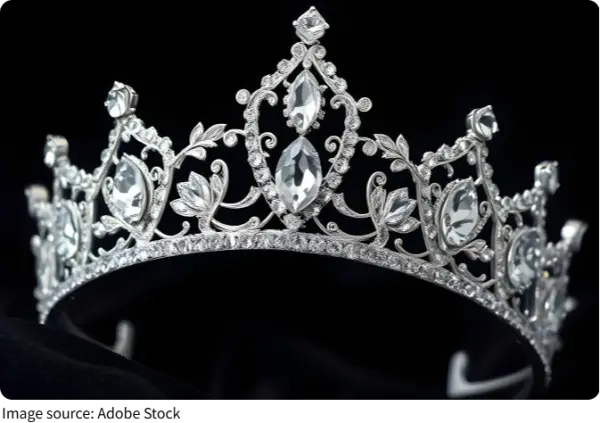
Europe’s jewelry history reads like a timeline of changing values. During the Middle Ages, jewelry often carried spiritual meaning, with crosses and saints’ symbols worn for faith and protection. The Renaissance shifted the focus toward artistry—enamel, floral patterns, and gemstone portraits became fashionable. Fast forward to the 18th century, and diamonds became the ultimate symbol of aristocracy. Then came Art Nouveau and Art Deco, introducing bold, creative designs that broke away from tradition. Jewelry here reflected society’s moods—spiritual, artistic, or extravagant.
The Americas: Spirit in Every Stone
Across the Americas, jewelry often had a strong spiritual link. Native American tribes like the Navajo and Zuni created silver and turquoise pieces believed to bring protection and harmony. In Central and South America, the Maya and Aztec prized jade, gold, and feathers. For them, jewelry wasn’t just beautiful—it connected them to gods, fertility, and the cosmos. Every stone and feather carried symbolic energy, turning adornments into sacred art.
The Middle East: Elegance and Heritage
The Middle East has always blended craftsmanship with meaning. Delicate filigree, silver patterns, and gemstone-studded designs reflect both beauty and heritage. Jewelry here often carries blessings of prosperity and protection, especially in wedding traditions. For many women, gold jewelry wasn’t just adornment but also financial security—a form of portable wealth passed down through generations.
Today: A Global Mix
Fast-forward to today, and you’ll see jewelry designers borrowing inspiration from all these traditions. A Scandinavian silver bracelet may sit next to an African-inspired beaded necklace or a Middle Eastern filigree ring in the same boutique. Modern jewelry is about mixing cultures while also telling personal stories. It’s a reminder that what we wear connects us not just to fashion, but to history.
Final Thought for Lykkers: Next time you slip on your favorite piece of jewelry, take a second to think—it’s not just metal or stone. It’s a tradition, a story, maybe even a blessing, carried across centuries. Jewelry is history you can actually wear.