Canadian Moose

Liam Reilly
| 06-03-2026
 · Animal Team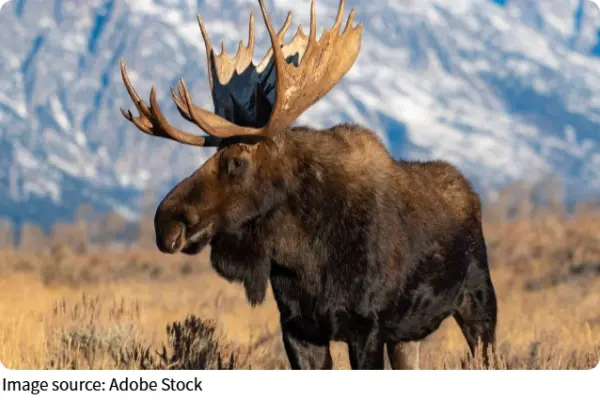
On a quiet morning in a Canadian forest, a massive silhouette emerges among the pines.
The moose, North America's largest member of the deer family, moves with surprising grace despite its enormous frame.
Observing these creatures up close reveals a world of unique adaptations and behaviors that help them thrive in some of the harshest environments on the continent.
Canadian moose are not just impressive in size—they demonstrate fascinating survival strategies, feeding habits, and social behaviors that make them stand out among wildlife enthusiasts and researchers alike.
Physical Adaptations
- Size and Strength
Mature moose can weigh between 400 to 600 kilograms, with males sporting antlers that span up to two meters. These adaptations provide defense, dominance displays during the mating season, and help in clearing snow to access food in winter.
- Long Legs
Their long legs—often 1.5 to 2 meters (5–6.5 feet) from hoof to shoulder height—are a defining feature of moose anatomy. These elongated limbs allow them to step easily through snow that may reach 60–70 centimeters (2 feet) deep, something many other deer species struggle with. The height also enables them to wade into lakes and marshes, sometimes submerging much of their body while feeding on aquatic plants.
Moose can even run up to about 55 km/h (34 mph) for short distances despite their size. This combination of height, stride length, and surprising speed helps them move efficiently across rough forest terrain and makes them harder targets for predators such as wolves or cougars.
- Specialized Nose and Ears
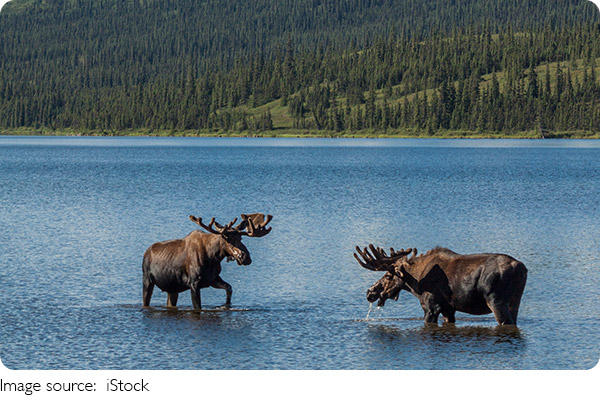
A moose’s large, flexible nose is more than just a distinctive feature—it plays an important role in feeding. Moose frequently dive their heads underwater to reach aquatic vegetation, such as water lilies and pondweed, sometimes staying submerged for 20–30 seconds while pulling plants from lakebeds. These water plants are rich in sodium, an important nutrient that land plants often lack.
Their large, rotating ears can move independently to capture sounds from different directions, helping them detect subtle movements in dense forests. Combined with a highly developed sense of smell, which can detect scents from several hundred meters away under the right conditions, these senses help moose identify approaching predators or locate other moose during the autumn breeding season, known as the rut.
Feeding Habits
- Seasonal Diet
Moose feed on leaves and shoots in spring and summer, while in colder months, they shift to twiggy vegetation and bark. This dietary flexibility allows them to survive throughout Canada's extreme seasonal changes.
- Aquatic Foraging
Moose are excellent swimmers and often feed on submerged plants. This ability helps them access nutrient-rich food sources that few other animals can reach, giving them a distinct ecological advantage.
- Selective Browsing
They focus on tender, nutrient-dense shoots and leaves rather than consuming large quantities indiscriminately. This careful selection supports optimal nutrition and reduces unnecessary energy expenditure.
Behavior and Social Structure
- Solitary Lifestyle
Unlike deer that form large herds, moose are mostly solitary, coming together only during the mating season. This lifestyle reduces competition for food and space, especially in dense forests.
- Rutting Season Displays
During fall, males engage in antler displays, vocalizations, and sparring to attract females and establish dominance. These contests are typically non-lethal but demonstrate strength and stamina to prospective mates.
- Predator Avoidance
Moose rely on size, agility, and dense vegetation for protection. They are capable of charging predators if cornered and use stealth and caution when navigating areas with high predator activity.
Observing a Canadian moose in its natural environment is both awe-inspiring and educational. From its towering frame and powerful limbs to its selective foraging and cautious behavior, every aspect of the moose reflects remarkable adaptation to Canada's forests and wetlands.
Next time you venture into Canadian wilderness, keep your eyes on waterways and open forest areas—you might catch a glimpse of this gentle giant foraging or moving silently through the trees. Witnessing a moose in its natural habitat is a vivid reminder of the intricate balance and resilience of wildlife in northern ecosystems.